After nearly a year limited to Austin and San Francisco, Tesla is taking its autonomous ride service to two new Texas cities. Here is what we know so far.
On April 18, 2026, Tesla announced the rollout of its Robotaxi service in Dallas and Houston. The geofences are small but it marks the first real geographic expansion of a program that has been closely watched and hotly debated since its Austin debut.
Tesla’s robotaxi program just crossed a new milestone
For months, Tesla’s Robotaxi service had been confined to two markets: Austin, where it first launched, and a limited area of San Francisco. That changes now. Tesla’s official robotaxi account on X posted two maps alongside a short message: “Robotaxi now rolling out in Dallas & Houston” and with that, the program officially has a footprint in four cities.
The Houston service area covers approximately 25 square miles, according to early analysis of the posted maps. The Dallas zone appears to center around the Highland Park area. No fleet size, pricing, or expansion timeline has been shared alongside the announcement. That said, crowdsourced tracking data suggests the rollout is just getting started. Roughly one active vehicle spotted in each city, compared to 46 in Austin.
It is a quiet rollout by any measure. But it is also exactly how Tesla started in Austin. A small geofence, limited vehicles and a gradual build. If Dallas and Houston follow a similar trajectory, today’s maps may look very different by early 2027.
What we actually know about how the service works
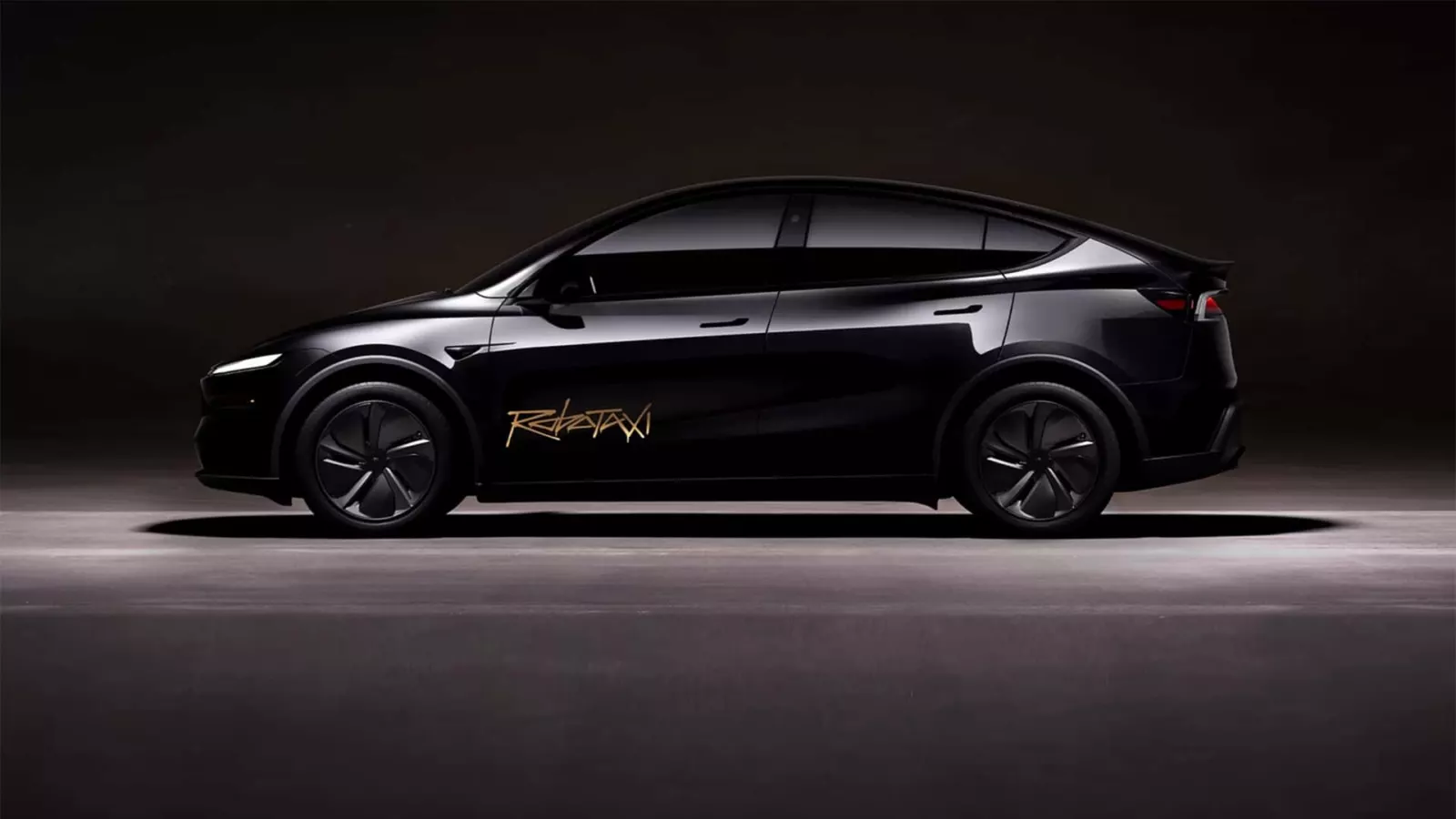
Tesla’s Austin operation remains the most useful reference point for understanding what these new launches will look like in practice. As of early 2026, the Austin fleet totals around 80 vehicles but not all of them operate at the same time and most still carry a human safety monitor in the driver’s seat. Only between 4 and 12 Model Ys are currently operating fully without on-board supervision.
The company has not disclosed whether Dallas and Houston will launch with supervised or unsupervised vehicles, how many cars will be deployed at the start, or how rides can be booked.
One operational limitation worth noting: the service currently does not run during rain. That is a meaningful constraint in Houston, which averages over 100 rainy days per year, and one that Tesla will need to address as the program matures in that market.
A safety record still in progress
Since the Austin launch, Tesla has reported 15 crash incidents to the National Highway Traffic Safety Administration (NHTSA). Crash rate estimates vary depending on the benchmark used, but independent analyses have put the figure at several times higher than average human drivers and Tesla’s own data has confirmed the gap, even when a safety monitor is present.
It is important to keep that in context. Autonomous vehicle programs accumulate incidents in public view in a way that human driving statistics do not, which can make the numbers look starker than they are. And Tesla is not the only player in this space with incidents on record. Waymo, too, has faced NHTSA scrutiny over specific events.
What does stand out is a transparency gap: Tesla redacts all crash narratives in its NHTSA filings as confidential business information, unlike most of its competitors who provide full incident descriptions. As the program expands to new cities, that opacity may attract growing attention from regulators and the public alike.
Entering a market that is already moving
Tesla is arriving in Dallas and Houston at a moment when Waymo has already been operating in both cities since February 2026, with fully driverless vehicles and no safety monitors on board.
That competitive context does not diminish what Tesla is building. The company has years of real-world driving data, a massive brand, and big ambitions. Those are genuine strengths and they could matter a great deal as the program grows.
But the question Tesla still needs to answer in Dallas, in Houston and everywhere it goes next, is whether expansion in geography will be matched by expansion in transparency, safety data and actual ride availability. The maps are up. Now comes the harder part.
For more articles : Click here !