
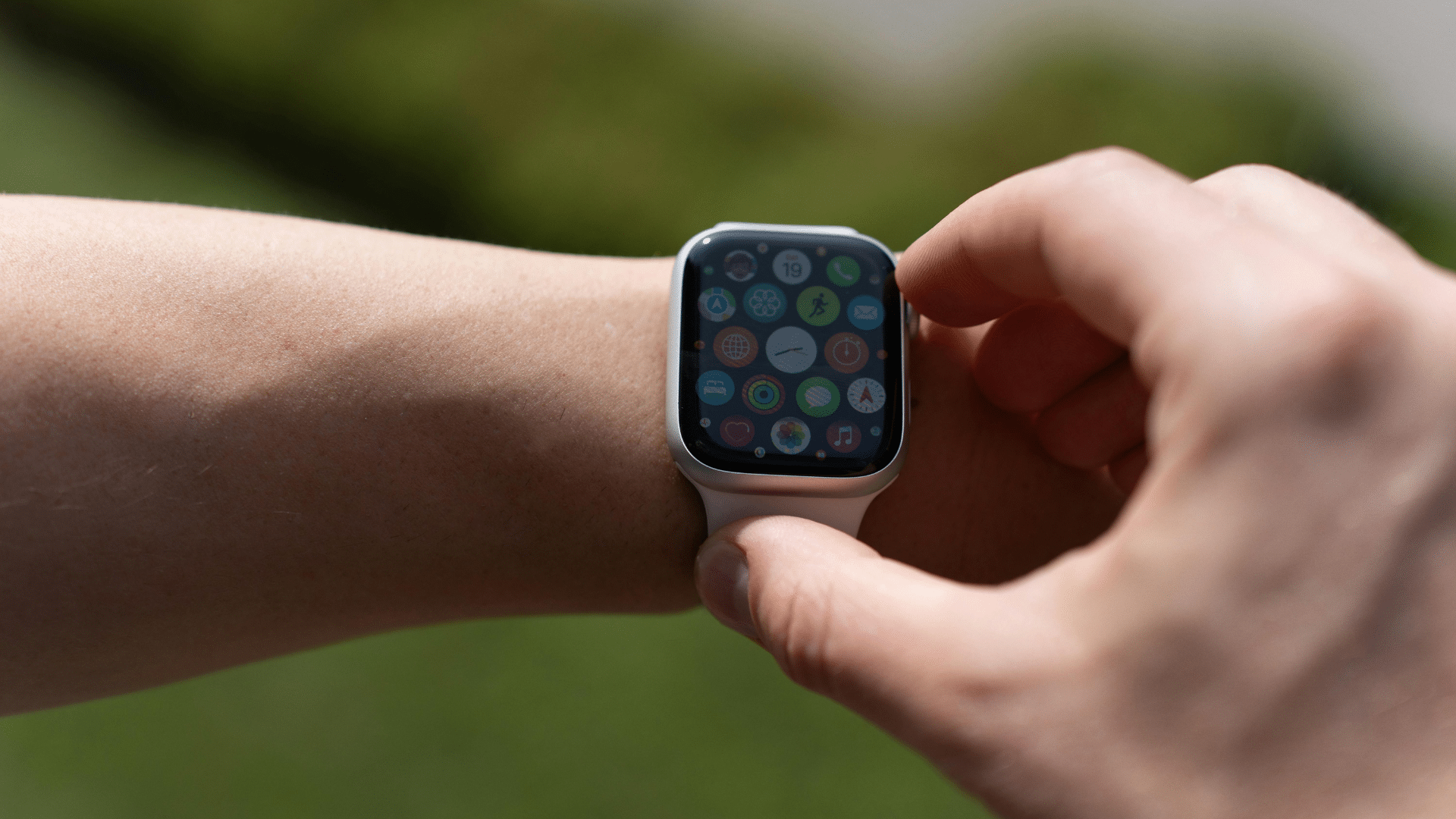
Electric vehicle manufacturer Rivian is expanding how drivers interact with their vehicles by introducing a dedicated Apple Watch application. Announced in February 2026 as part of a broader software update, the new feature allows owners to access essential vehicle controls directly from their wrist. The move reflects Rivian’s continued investment in software development and connected technologies, reinforcing the idea that modern electric vehicles function as evolving digital platforms rather than static products.
The Apple Watch integration is part of Rivian’s 2026.03 software update. According to the company’s official release, the application gives drivers the ability to lock and unlock their vehicle, vent the windows, sound the alarm, and monitor battery range without needing to open the smartphone application. These features, while already available through the Rivian mobile app, are now accessible in a more immediate and glanceable format suited to wearable technology.
Core capabilities designed for everyday convenience
The Apple Watch app has been designed to provide both quick actions and deeper control. Drivers can adjust cabin temperature and set a target state of charge for the battery directly from the watch interface. The Digital Crown, the rotating side dial on the Apple Watch, enables precise adjustments without requiring complex on-screen navigation.
Rivian has also introduced customizable quick controls, allowing users to select up to four preferred actions that appear immediately when the app opens. This personalization means that each owner can prioritize the functions most relevant to their routine, whether that involves climate preparation, battery management, or vehicle access.
One of the most practical additions is a watch face complication that displays real-time battery range and charge percentage. This feature allows owners to check their vehicle’s energy status as easily as they would check the time or their daily activity metrics. For electric vehicle drivers, quick access to battery information is often essential, and Rivian’s approach integrates that data seamlessly into a device many customers already use throughout the day.
Differences between first and second generation vehicles
The user experience varies depending on the vehicle generation. Owners of second-generation R1 vehicles benefit from passive entry functionality. Once the digital key is configured on the Apple Watch, the vehicle automatically unlocks when the driver approaches, eliminating the need to tap the screen. This hands-free capability represents one of the most advanced aspects of the integration.
For first-generation R1 vehicles, drivers must open the Apple Watch app and tap the lock icon before the doors unlock. Although this requires an extra step, it still removes the need to retrieve a smartphone or physical key fob. Rivian has indicated that the Apple Watch application will continue to evolve, suggesting that additional refinements and expanded features may be introduced in future software updates.
A broader software strategy
The Apple Watch rollout is part of a broader set of enhancements included in Rivian’s 2026.03 software update and underscores the company’s continued investment in expanding vehicle functionality through software. That focus is also evident in Rivian’s large-scale collaboration with Volkswagen Group, formalized in 2024 through a joint venture known as Rivian and Volkswagen Group Technologies. The partnership, valued at up to $5.8 billion, is aimed at developing next-generation electrical architecture and a shared software technology stack for future vehicles from both companies. The agreement extends Rivian’s software expertise beyond its own lineup to support upcoming models from Volkswagen, Audi, and Scout.
In this context, features such as Apple Watch integration represent more than simple convenience upgrades. They reinforce Rivian’s positioning as a technology-driven manufacturer at a time when digital ecosystems, connectivity, and software capabilities are becoming as influential in purchasing decisions as traditional performance metrics such as horsepower or driving range.
How Rivian compares to other electric vehicle makers
Rivian is not alone in embracing smartwatch integration. Tesla, Inc. has also introduced official Apple Watch support, allowing drivers to control locking functions, manage climate settings, and monitor battery levels from their wrist. Like Rivian, Tesla’s approach extends the functionality of its mobile application to wearable devices. However, Rivian’s implementation stands out through its customizable quick controls and passive entry support on second-generation models, which provide a more seamless hands-free experience once the digital key is set up.
More broadly, smartwatch integration reflects an industry-wide shift toward software-driven ecosystems. Unlike many automakers who rely on Apple CarPlay to power their in-car experience, Rivian maintains full control over its core digital interface. Its Apple Watch app reflects a deliberate strategy: embrace external devices, but only as extensions of Rivian’s own ecosystem.
The growing importance of wearable connectivity
The introduction of Apple Watch controls may appear incremental at first glance, but it represents a larger transformation within the automotive sector. Electric vehicles increasingly function as connected devices, continuously updated and refined through software improvements. For owners, this means that the relationship with their vehicle evolves over time.
Rivian’s Apple Watch application highlights how wearable technology is becoming an integral part of that evolution. By placing essential vehicle controls on a device worn daily by millions of users, Rivian is aligning its vehicles with broader consumer technology habits. As competition in the electric vehicle market intensifies, seamless integration with personal devices could become a key factor influencing purchasing decisions.
In this context, Rivian’s latest update is not simply about convenience. It signals how the future of vehicle ownership may be defined as much by digital ecosystems and software capabilities as by mechanical engineering.
For more articles : Click Here !
Sources :
https://stories.rivian.com/software-update-rivian-apple-watch-app-2026