

5 mobility stories you should not have missed in April 2026
The mobility sector is undergoing a rapid transformation driven by autonomy, electrification, connectivity and new transport modes. Five major developments stood out in April 2026.
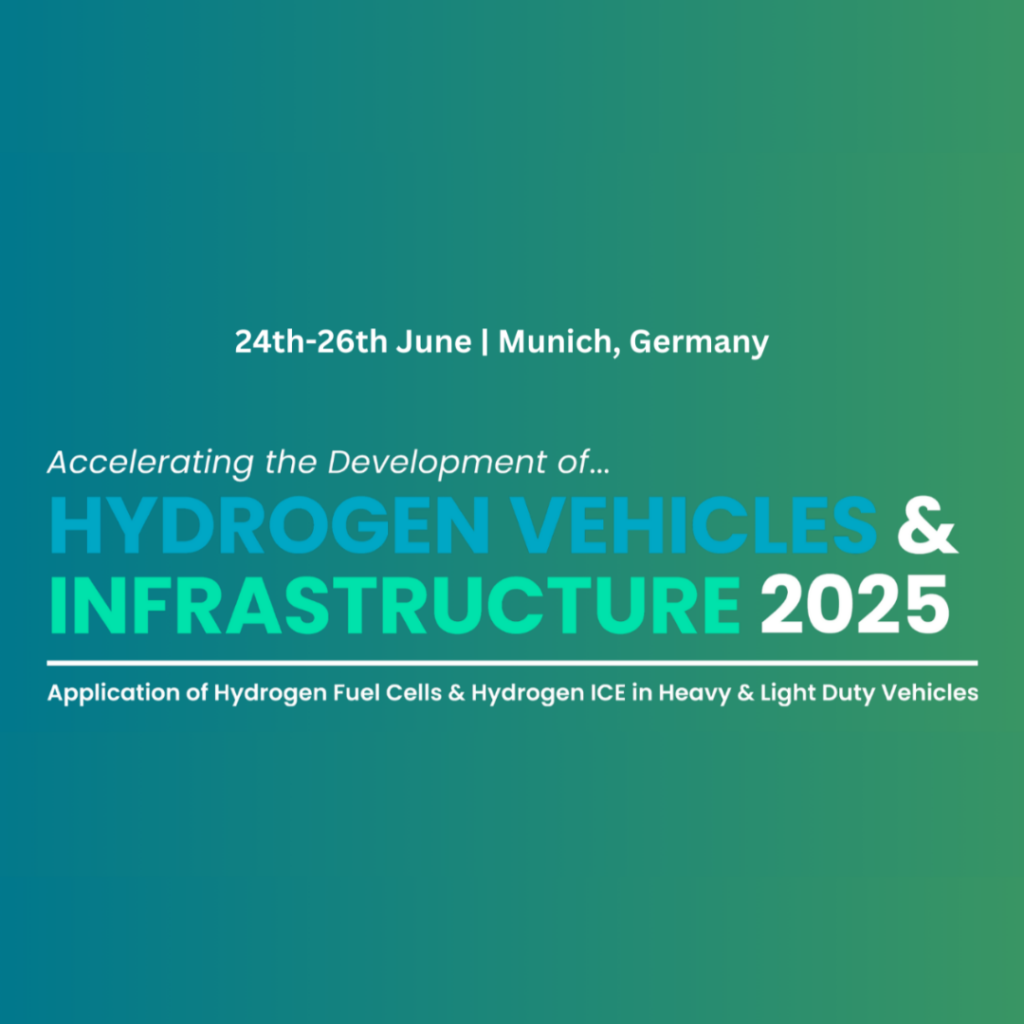
Taking a targeted and ungeneralised view of the topic, more specifically, Automotive IQ’s Hydrogen Vehicles & Infrastructure 2025 conference is designed to deliver practical solutions in order to accelerate the development and application of hydrogen fuel cells and hydrogen combustion engines in heavy and light-duty vehicles, including passenger vehicles, trucks, and buses.
Over the course of the three-day conference, participants will receive updates on government funding and incentive plans. Additionally, the event will outline plans from infrastructure developers regarding when fuelling stations will be built so as to achieve greenhouse targets by 2030/50. Furthermore, deep-dive training courses will be included, allowing teams to work safely with hydrogen.
In particular, application-focused case studies from companies manufacturing fuel cells, hydrogen ICE, and heavy-and-light-duty vehicles will also be explored. Moreover, keynotes will provide insights into how engineering for hydrogen vehicles has improved, demonstrating why hydrogen is a viable fuel. Finally, discussions will highlight what is needed in the future so that hydrogen vehicles can become a mass-produced product.
Preview of Key Themes at Hydrogen Vehicles & Infrastructure 2025 :
Learn More: Click Here!
Check out other events: https://mobilitymakers.co/mobility-events-calendar/
Mobility Makers @ your event: on-site studio, video interview with your executive, and Event Visibility to our international audience.
The mobility sector is undergoing a rapid transformation driven by autonomy, electrification, connectivity and new transport modes. Five major developments stood out in April 2026.
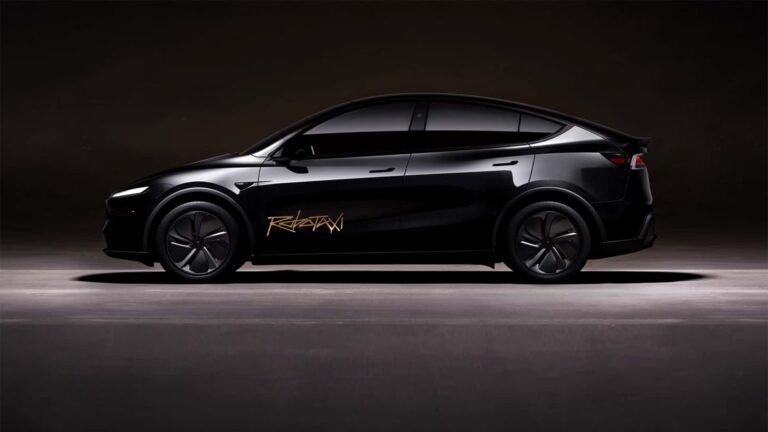
After nearly a year limited to Austin and San Francisco, Tesla is taking its autonomous ride service to two new Texas cities. Here is what we know so far.
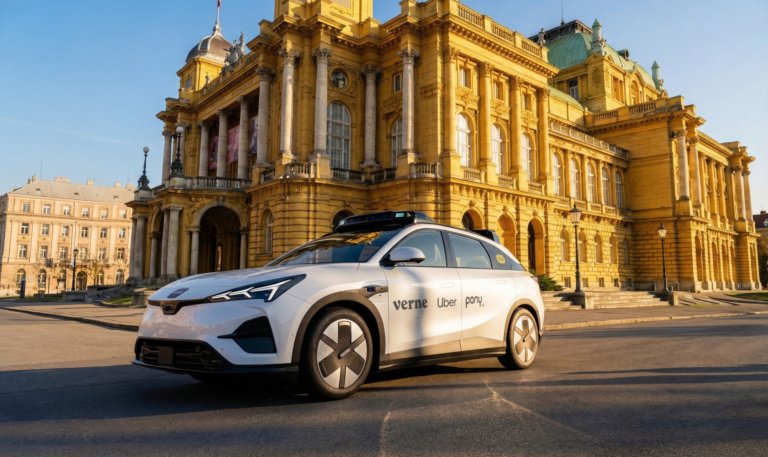
For years, Europe has been seen as moving more cautiously than other regions in the development of autonomous ride-hailing services. That dynamic may now be changing.