
Turning Crisis into Opportunity for a Sustainable Future
The 3rd GTF Connect London had officially drawn to a close. Everything was packed away, the after party well and truly over, but I was laying up in my hotel room and just couldn't…
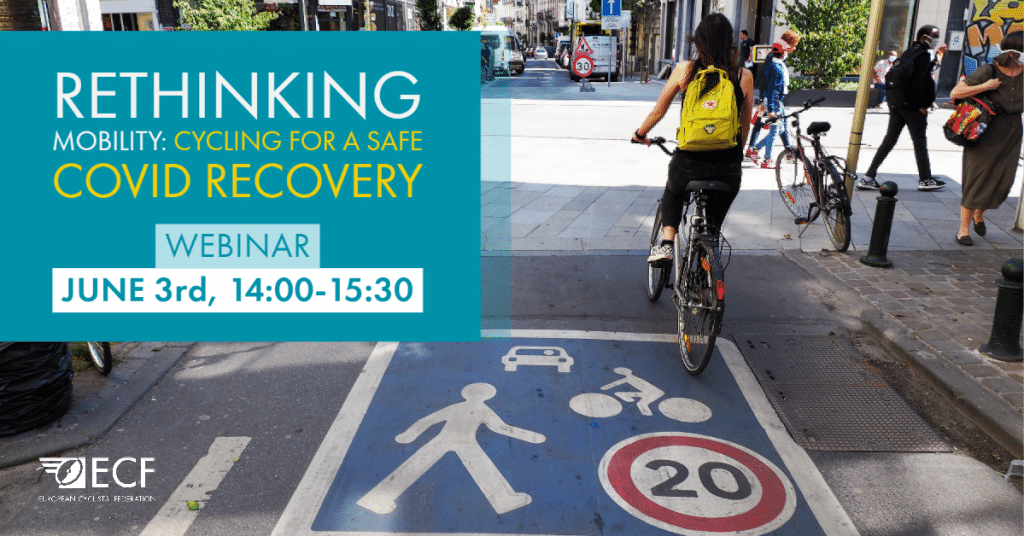
The world has changed. The coronavirus pandemic has hit our lives and our economies, forcing us to question the way we live. Never before have we been able to see, in such a clear way, the impact of our current mobility model on health, environment, equality and safety. Social distancing measures have shed light on how crucial cycling is for providing a healthy, safe, reliable and fast transport option both for essential trips and outdoor exercise. With the progressive lifting of lockdown measures, more and more cities are showing strong leadership by reallocating public space to active mobility and governments around Europe are offering financial incentives to encourage cycling. If we want these changes to be a permanent part of the post-COVID-19 world, collaboration, strong political will and concrete action will be necessary.
The European Cyclists’ Federation (ECF) issued a set of recommendations for European, national and local authorities to promote cycling.
Mobility Makers on your stand: on-site studio, video interview with your executive, partners or clients
The 3rd GTF Connect London had officially drawn to a close. Everything was packed away, the after party well and truly over, but I was laying up in my hotel room and just couldn't…

When it comes to designing transit and transportation solutions that reduce traffic congestion and improve on-time arrival rates, we seem to have a problem. It seems we are focused on all the wrong things.…
Cities and companies globally are facing ever-tightening budgets due to the COVID-19 pandemic, forcing a serious rethink about how they operate and provide services. Public transit agencies also now need to factor social distancing…